REQUEST A QUOTE
GTA Exterminators
Warehouse Pest Control
Storage & Distribution Facilities
Serving the Greater Toronto Area
We are here for you 24 hours a day, 7 days a week

Pest Control for Toronto's Warehouses & Distribution Centres

Pest Control for Warehouses & Distribution Centres Across the GTA

Warehouse Pest Control Service

GTA Exterminators understands warehouse pest control has its own demands — constant shipments, pallet storage, and square footage that's hard to monitor on your own. We build programs around your receiving schedule so inventory stays protected without slowing down operations.

  • Unmarked Trucks
  • Fully Licensed Warehouse Pest Control Service
  • Fully Insured Extermination Company
  • Toronto-based Pest Control Company
  • Perimeter & Pallet-Level Protection
  • WSIB, Certified and Trained Technicians
  • Background Checked Exterminators
  • Available 24/7 for Emergency Service


Need Pest Control for Your Warehouse? 647 849 4441

Protect Your Inventory with an Award-Winning Pest Control Company in Toronto

Frequently Asked Questions About Our Warehouse Pest Control Services
How small of a gap can a mouse actually fit through at a loading dock?
Smaller than most people assume — a quarter of an inch is enough. The gap between a dock pit and the leveler is often just an inch on each side, which is more than enough room, and it's one of the most overlooked entry points in the whole building.
Should incoming pallets be inspected before they go into storage?
Yes, ideally at the dock rather than after they're already inside. Breaking down a pallet at receiving and checking for grease stains, droppings, or small holes with sawdust around them catches a problem before it spreads through the rest of your inventory.
What should we do if we find pest evidence on an incoming shipment?
Isolate that load before it reaches general storage and have it inspected properly. One infested pallet mixed in with clean inventory is how a small supplier problem turns into a facility-wide one.
Does how we rotate stock actually affect pest risk?
Yes. A first-in, first-out rotation means older inventory doesn't sit undisturbed long enough to become a target for stored-product pests, which need time and quiet to establish themselves in packaging.
Why is pallet racking so hard to keep pest-free?
Because it's genuinely difficult to inspect properly. Racking systems create tight, dark voids behind and beneath stored goods that are easy for both rodents and stored-product pests to use undisturbed for long stretches.
Can pests hitchhike in on more than just shipments?
Yes. Employee bags, uniforms, and personal items can carry pests in just as easily as a delivery can, which is part of why break rooms and staff entrances get checked alongside the receiving dock.
Is there a recommended clearance between pallets and the wall?
Yes, generally 18 to 24 inches. That clear zone gives inspectors a clean sightline along the perimeter and keeps stored goods from sitting flush against a wall where activity is easy to miss.
Can a pest problem actually trigger a regulatory issue, not just financial loss?
Yes, especially for warehouses handling food or pharmaceutical goods. A confirmed infestation found during a regulatory inspection can mean seized inventory or a facility flagged for follow-up, on top of the product loss itself.
Can rodents actually damage inventory or wiring in a warehouse?
Yes. Rodents gnaw on packaging, insulation, and wiring, all of which can mean damaged goods or a real fire risk if left unaddressed.
Do you offer emergency service if we find an active infestation?
Yes, we offer emergency response and can move quickly to protect stored inventory from further damage.
Get An Estimate

Complete the following information

Email sent successfully
Why us?
Pest Control Built for Toronto's Warehouses & Distribution Centres
  • 24/7 Warehouse Pest Control
  • Fully Licensed Pest Control Technicians
  • Scheduled Around Shipping & Receiving
  • Pallet & Racking-Level Inspection
  • Loading Dock Perimeter Protection
  • Stored-Product Pest Monitoring
  • Distribution Centre Pest Control
100 %
Guaranteed Quality
warehouse pest control
Get Price
647-849-4441
Need Pest Control for Your Warehouse? 647 849 4441

Protect Your Inventory & Your Supply Chain with an Award-Winning Pest Control Company in Toronto

Warehouse & Logistics Services
Schedule Your Warehouse Pest Control Service Today
GTA Exterminators works with warehouses and distribution centres across the Greater Toronto Area. Constant shipments, pallet storage, and square footage that's difficult to monitor on your own all make warehouses genuinely different from a typical commercial building. If pests are threatening your inventory, get in touch and we'll build a program around how your facility actually operates.
Why Warehouses Are Especially Vulnerable
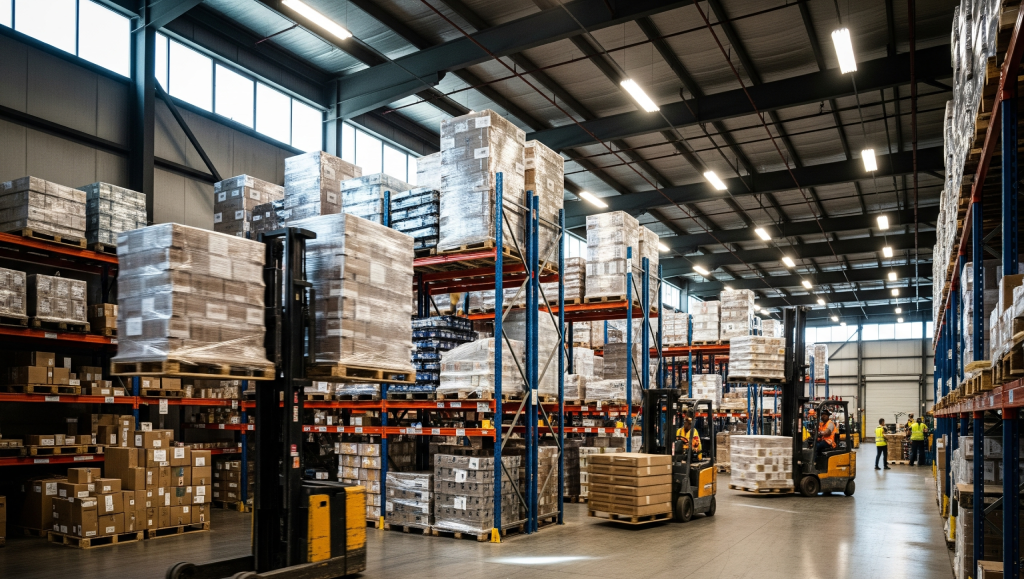
A warehouse is essentially a building designed to move things in and out constantly, which is also exactly what makes it hard to keep pests out of. Loading dock doors stay open for extended periods during receiving and shipping. Pallets and stacked inventory create thousands of dark, undisturbed hiding spots. And a facility spanning tens of thousands of square feet is simply harder for staff to monitor closely than a small storefront.
Common Pests in Warehouses
Rodents are the pest we're called about most, drawn to quiet storage areas and the shelter that pallets and racking provide. Stored-product pests — small insects that feed on grain, dry goods, and packaged food — are a particular concern for warehouses handling those product categories, since a single infested pallet can mean a customer rejection. Cockroaches show up less often but tend to concentrate around break rooms and receiving areas.
Loading Docks: The Most Common Entry Point
If there's one place worth the most attention in a warehouse, it's the loading dock. Doors that stay open for extended loading and unloading periods are an open invitation, especially for rodents working along the ground level. Damaged door seals, gaps around dock levelers, and general wear from constant equipment traffic all create openings that are easy to miss during a routine walk-through.
Protecting Inventory Without Slowing Operations
Warehouse pest control has to work around a facility that rarely stops moving. Our approach focuses on perimeter and structural treatment — cracks, voids, dock areas — rather than active storage zones, so inspection and treatment can happen without disrupting receiving or shipping schedules.
Our Warehouse Pest Control Process
We schedule around your operating hours from the first visit. To get a sense of cost before booking, visit our free estimate page. Our licensed technicians are experienced working in large, active facilities.

1. Facility Walkthrough – A full inspection of loading docks, racking, storage areas, and perimeter to identify activity and entry points.

2. Pest Identification – Confirm which pests are present, since rodents and stored-product pests require different treatment approaches.

3. Dock Door Assessment – Check door seals, dock levelers, and other high-traffic entry points for damage or gaps.

4. Targeted Treatment – Treat perimeter, structural, and identified activity areas using methods safe around stored inventory.

5. Exclusion & Sealing – Seal gaps around loading docks, utility lines, and the building envelope.

6. Pallet & Racking Recommendations – Flag storage practices, like rotation and spacing, that reduce hiding spots for pests.

7. Scheduled Monitoring – Regular follow-up visits, typically monthly, to catch activity before it spreads through storage.

8. Documentation & Reporting – Inspection reports and treatment records maintained for every visit.


Questions & Answers
What risks do pests pose to a warehouse?
Damaged inventory, contaminated goods, and in serious cases, a rejected shipment from a customer. Rodent damage to wiring is also a real fire risk.
How often should dock seals and door sweeps be checked?
Every routine visit, since these take constant wear from equipment and traffic. A dock door opened dozens of times a day means the seal around it degrades faster than people expect.
Do birds nesting in the rafters really cause delivery rejections?
Yes. Droppings from birds nesting overhead can contaminate inventory below, and a customer receiving contaminated stock will reject the shipment outright — an expensive outcome for something preventable.
Can we train receiving staff to catch problems before calling you in?
Yes, and it makes a real difference. Staff who know what droppings, gnaw marks, or grease trails look like can flag a problem the same day it arrives instead of weeks later. We're happy to run a short training session for your receiving team.
Can you handle a large-scale infestation across a big facility?
Yes, we have the crew and equipment for large sites, and we scale the program to match the size and layout of your facility.
Get Price

Complete the following information

Email sent successfully
Call Now Get Free Quote